Column · @codyoder309
Emergency Dentist Advice for Managing Dental Emergencies With Kids
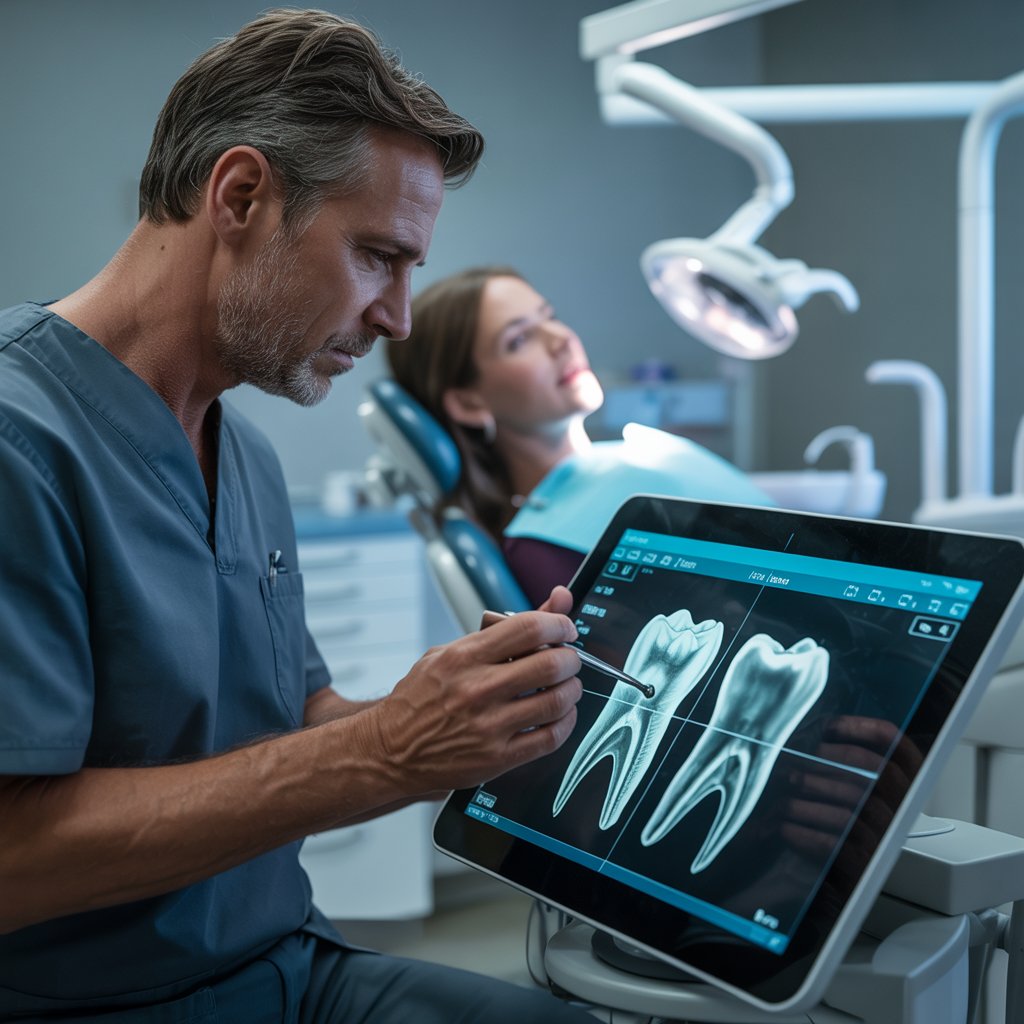
Few parenting moments feel as immediate as a child crying with a mouth full of blood, a swollen lip, or a tooth in your hand. Dental emergencies with kids have a way of turning an ordinary afternoon into a rush of questions. Is this serious? Do we go to the emergency room or call an emergency dentist? Can the tooth be saved? Did that bump to the mouth damage a permanent tooth that has not fully erupted yet?
The first challenge is emotional, not clinical. Children read adult reactions fast. If you panic, they often panic harder. If you slow down, get a towel, and speak in a steady voice, you create room to make good decisions. That matters because the first ten to thirty minutes after a dental injury can affect pain, bleeding, infection risk, and Emergency Dentist in some cases whether a tooth can be preserved.
Parents often assume all mouth injuries are interchangeable. They are not. A chipped baby tooth, a knocked-out permanent tooth, a bitten tongue, and a suddenly swollen face each need a different response. Some problems Emergency Dentist can wait until the next available appointment. Others need same-day care from an emergency dentist. A few need the hospital first, especially when breathing, swallowing, facial asymmetry, severe infection, or head injury are involved.
Why children’s dental emergencies can be tricky
Adults can usually point to the exact tooth that hurts and describe the sensation. Children, especially younger ones, may simply say, “My mouth hurts,” while pointing everywhere. Blood from the gums also looks dramatic, often more dramatic than the actual injury. The mouth has an excellent blood supply, which is good for healing but bad for parental nerves.
Children are also in transition dentally. At any given age, they may have baby teeth, newly erupted permanent incisors with immature roots, loose baby teeth ready to fall out naturally, and a bite that changes from month to month. That makes judgment more nuanced. A front tooth that appears displaced may have been slightly crowded before the injury. A “missing” tooth may actually be pushed upward into the gum rather than knocked out. A darkened baby tooth may remain comfortable for months, or it may eventually develop an abscess.
Another layer is behavior. A frightened five-year-old with a fat lip and a sore mouth may refuse ice, spit out water, and clamp their jaw shut just when you are trying to assess the injury. In practice, that means your job at home is not to diagnose every detail. Your job is to stabilize, comfort, gather a few key facts, and get the child to the right place promptly.
The first few minutes matter most
When a dental injury happens, start with the basics. Sit your child upright if possible. Use clean gauze or a washcloth to apply gentle pressure to bleeding areas. Cold helps, both for swelling and comfort, so an ice pack wrapped in cloth against the lip or cheek is useful. If the child is old enough to rinse and spit reliably, a gentle rinse with cool water can clear blood and help you see what happened.
If there was a fall, sports collision, or blow significant enough to raise concern for head or neck injury, widen your focus beyond the teeth. Confusion, vomiting, unusual sleepiness, severe headache, loss of consciousness, neck pain, or difficulty walking are medical warning signs. Those belong to urgent medical evaluation, even if a tooth is also broken.
One of the most helpful things a parent can do is note the time of injury. An emergency dentist will ask. Timing matters especially for knocked-out permanent teeth, uncontrolled bleeding, and rapidly developing swelling. A phone photo taken soon after the injury can also help, particularly if swelling worsens on the drive or if the child later becomes less cooperative during the exam.
When to call an emergency dentist right away
Some situations are clear same-day dental emergencies. Others are less obvious but still should not wait. In general, urgent dental evaluation is warranted when pain is significant, bleeding does not stop with pressure, a tooth is displaced, a permanent tooth is fractured enough to expose deeper layers, or swelling is developing.
Here are the scenarios that most often deserve an immediate call to an emergency dentist:
- A permanent tooth has been knocked out, loosened significantly, or pushed out of position.
- There is a broken tooth with pain, visible yellow or pink inner tooth structure, or a sharp fracture line into the gum.
- The face or gums are swelling, especially with fever, bad taste, or increasing pain.
- Bleeding continues after about ten minutes of steady pressure, or a lip, tongue, or gum laceration looks deep.
- Your child cannot close properly, says their bite feels “wrong,” or you suspect a jaw injury.
Parents sometimes hesitate because the child calms down after the initial crying. That can be misleading. Teeth with nerve injury may become more painful as the shock wears off. Infections can accelerate overnight. A luxated tooth, meaning one that has been moved or loosened by trauma, may need repositioning or close monitoring to protect the developing permanent tooth below, if it is a baby tooth, or the periodontal ligament, if it is permanent.
Baby tooth or permanent tooth, the distinction changes everything
This is the single most important practical distinction in pediatric dental trauma. If a baby tooth is knocked out completely, do not try to put it back in. Reimplanting a baby tooth can damage the developing permanent tooth underneath. The child still needs prompt dental care, but the home response is different from that for a permanent tooth.
If a permanent tooth is knocked out, time is critical. These teeth can sometimes be replanted successfully, especially if handled correctly and treated quickly. That is why every parent should know roughly when permanent front teeth arrive. The upper and lower central incisors usually erupt around ages six to seven. By the school years, a front tooth may well be permanent even if the child still has several baby teeth elsewhere.
If you are unsure whether the tooth is baby or permanent, look at the child’s age and compare the tooth size and shape to the opposite side. Permanent incisors tend to be larger and less bright white than baby teeth. Still, uncertainty should not delay the call. An emergency dentist can guide you by phone while you are on the way.
What to do if a permanent tooth is knocked out
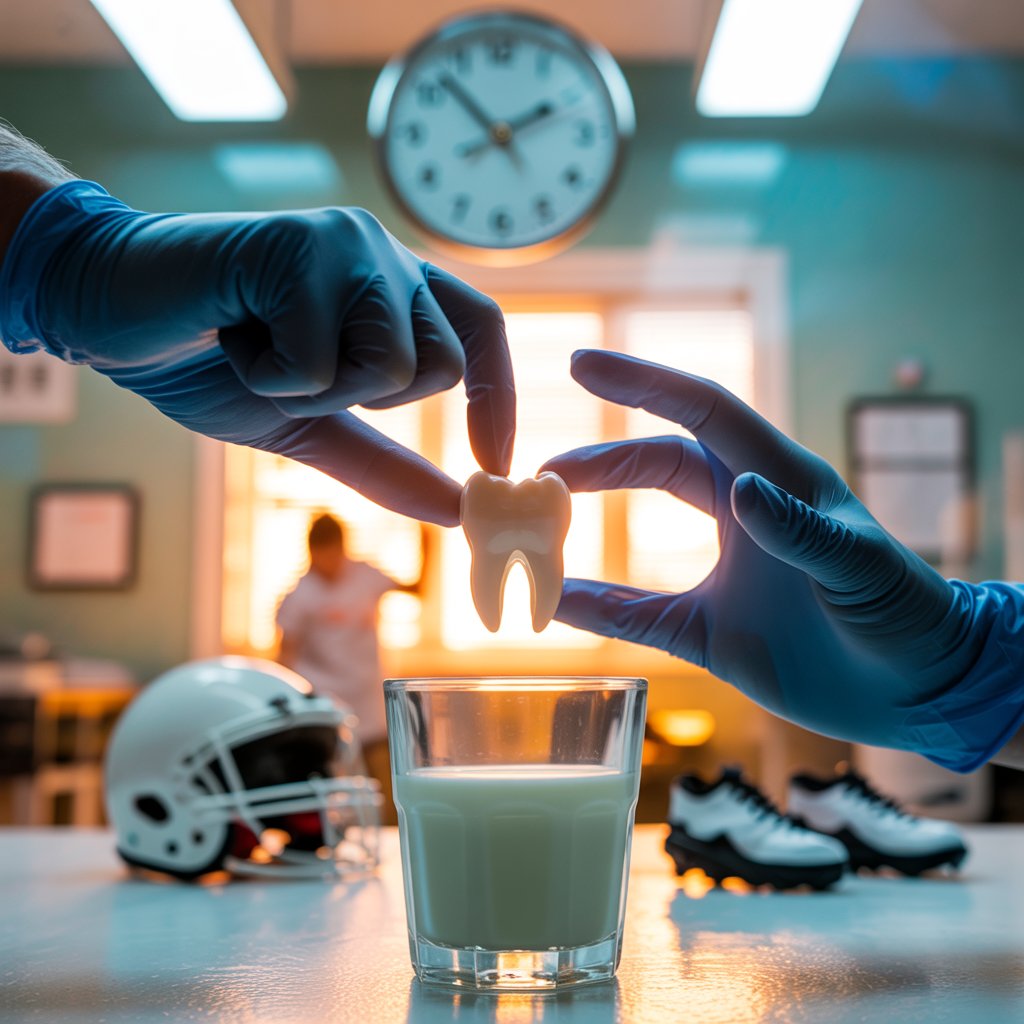
This is one of the few situations where a very specific home response can make a major difference. Find the tooth and pick it up by the crown, which is the chewing or visible portion, not the root. If it is dirty, rinse it briefly with milk or saline if available, or with water for a second or two if that is all you have. Do not scrub it. Do not wrap it in tissue. Do not let it dry out.
If the child is old enough and calm enough, sometimes the tooth can be placed gently back into the socket right away, oriented correctly, and the child can bite softly on gauze. Many parents are understandably not comfortable doing that. If not, store the tooth in cold milk and head immediately to an emergency dentist. If milk is not available, the child can sometimes hold the tooth inside the cheek if they are mature enough not to swallow it, but for younger children that is not safe. Saline is another reasonable temporary medium.
What hurts outcomes most is delay and dryness. A permanent tooth left dry for an extended period has a much lower chance of long-term survival. Even when reimplantation is successful, follow-up is not simple. The tooth may need splinting, monitoring of the nerve, and future treatment depending on root development and healing. Still, fast action gives the best odds.
Chips, cracks, and broken teeth
Not every broken tooth is an emergency in the same way, but every fracture deserves attention. A small enamel chip with no pain can often wait a short time, although sharp edges may irritate the tongue. In contrast, a larger break that leaves the tooth sensitive to air or cold, or exposes a yellow or pink area, should be seen promptly. Yellow often suggests dentin exposure. Pink or bleeding from the center suggests the pulp, the living tissue of the tooth, may be involved.
If you can find the broken fragment, bring it. Sometimes it can help the dentist assess the fracture, and occasionally fragments can be bonded back in favorable cases. Rinse the mouth gently and use a cold compress outside the face. For pain, use age-appropriate over-the-counter medication as directed by the child’s physician or product label, assuming the child has no medical reason to avoid it. Avoid placing aspirin directly on the gums or tooth. That old home remedy can cause a chemical burn.
One of the more difficult situations is the “crack you cannot see.” A child takes a hit to the mouth, the tooth looks mostly normal, and pain shows up when biting later that day or the next. That still warrants evaluation. Teeth can fracture below the gumline or suffer internal injury without dramatic visible damage.
Loose, pushed, or intruded teeth
A loose tooth after trauma is not always a normal loose baby tooth. A tooth that suddenly wiggles after a fall may have ligament damage. If it has shifted forward, backward, or sideways, the bite may be altered, and the child may be at risk for pain, feeding difficulty, or further displacement.
Some injuries are subtle and some are not. A tooth pushed deeper into the gum, called intrusion, often looks shorter than the tooth next to it. This can happen with baby teeth and permanent teeth, and management differs depending on the direction of displacement and the stage of development. It is not something to watch casually at home. These cases deserve timely dental evaluation because they can affect the tooth itself and the structures around it.
Parents are often surprised to learn that not every displaced tooth is repositioned the same day, especially with baby teeth. Sometimes observation is safer than intervention. That is exactly why a trauma exam matters. What looks passive from the outside can actually be a carefully judged treatment choice.
Mouth cuts, bleeding, and soft tissue injuries
Lips and gums bleed impressively. Tongues do too. Most minor soft tissue injuries settle with pressure and cold. The challenge is deciding when a cut is more than a nuisance. If a lip is split through the border where the pink and regular skin meet, if the tongue has a deep gash, or if there are embedded tooth fragments in the lip, your child may need both dental and medical care.
A useful detail that gets missed often is checking for missing pieces. If a tooth fractured and the lip is swollen, a fragment can be lodged inside the soft tissue. Dentists sometimes order imaging for this reason. A child who keeps rubbing one spot on the lip after trauma may be telling you more than you realize.
Persistent bleeding should be managed with direct pressure, not repeated peeking every few seconds. Hold steady pressure for a full several minutes. If bleeding soaks through, add more gauze on top rather than removing the first layer right away, because pulling it off can disturb clotting.
Swelling and dental infection, a different kind of emergency
Not all pediatric dental emergencies are caused by trauma. Toothaches that become swelling are common reasons families seek an emergency dentist. A cavity can progress quietly until pressure builds at the root. Kids sometimes complain of pain only when chewing, or only at bedtime, and then wake with a swollen cheek.
This is where judgment matters. Mild gum puffiness near a sore tooth needs prompt attention. Swelling that spreads into the cheek, under the eye, or toward the jawline can become serious quickly. Fever, lethargy, trouble opening the mouth, difficulty swallowing, drooling, or any breathing concern raises the urgency significantly. Those cases may require medical evaluation in addition to dental care, and sometimes antibiotics alone are not enough because the source of infection must be treated.
Parents occasionally ask whether a child can simply finish the weekend on pain medicine and come in Monday. Sometimes yes, often no. Facial swelling changes the equation. Dental infections do not reliably stay contained, and young children can worsen faster than expected.
Pain control at home while you wait to be seen
Comfort matters, not just for kindness but because a calmer child is easier to assess and transport. Cold compresses help with trauma and swelling. Soft foods are smart after many injuries, especially yogurt, applesauce, scrambled eggs, pasta, smoothies with a spoon, and lukewarm soups if the mouth is not heat-sensitive. Skip crunchy snacks, sticky candy, acidic juices, and very hot or very cold foods if they trigger pain.
The basics that help most are straightforward:
- Use a cold compress on the cheek for short intervals.
- Offer soft foods and encourage small sips of water.
- Give age-appropriate pain relief if it is safe for your child.
- Keep the mouth as clean as the child can tolerate with gentle rinsing or careful brushing away from the injury.
- Prevent poking, wiggling, or chewing on the injured area.
Clove oil, alcohol-based rinses, and numbing gels are frequent home remedies, but they are not always ideal for children. Some sting, some are unpleasant enough to make a child more upset, and some create a false sense that the problem is handled when it still needs urgent care.
Should you go to the emergency room or the dentist?
This is a common point of confusion. Emergency rooms are essential for life-threatening or medically complex situations. They are not always equipped to provide definitive dental treatment. If your child has a knocked-out permanent tooth, a displaced tooth, severe tooth pain, or a dental abscess without systemic danger signs, an emergency dentist is usually the most direct route to actual treatment.
Go to the emergency room first if there is uncontrolled bleeding, trouble breathing, trouble swallowing, suspected facial fractures, signs of concussion or head injury, severe dehydration from inability to drink, or rapidly spreading swelling with fever and illness. Also go if your child’s general condition concerns you more than the tooth itself. Trust that instinct.
In real life, some families need both. A child who fell from playground equipment may need medical clearance before dental treatment. A child with facial cellulitis from a tooth infection may need IV antibiotics and imaging, then urgent dental follow-up to remove the source.
What the emergency dentist will want to know
If you can answer a few practical questions, the appointment moves faster and more smoothly. The dentist will usually ask when the injury happened, whether the child lost consciousness, whether the tooth is baby or permanent if known, whether there was bleeding from the tooth itself, and whether the bite feels different. For swelling or toothache, they will ask how long the pain has been present, whether it wakes the child at night, and whether there is fever or trouble eating.
Photos from right after the incident can help. So can bringing any tooth fragments, a mouthguard if the injury happened during sports, and a medication list if your child takes regular medicine. If your child is very anxious, tell the office before arrival. Pediatric teams can often prepare better when they know a frightened child is coming in.
Aftercare is where many parents get surprised
The dramatic moment may pass quickly, but healing is often a longer story. An injured tooth can discolor weeks later. A tooth that tested fine at first may develop symptoms later. A baby tooth injured early can occasionally affect the enamel or eruption path of the permanent tooth underneath. None of that means anything was mishandled. It means dental trauma can evolve.
That is why follow-up matters. The emergency visit addresses the immediate problem. Monitoring tells the rest of the story. Parents should watch for changes in color, swelling, pimple-like bumps on the gums, new pain when chewing, bad odor, fever, or a child favoring one side of the mouth. If the child received a splint or temporary repair, follow the diet and hygiene instructions carefully. A hard pretzel at the wrong moment can undo good work.
Preventing the next emergency without becoming overprotective
Children will run, climb, tumble, and collide. The goal is not zero risk. The goal is reducing avoidable risk while keeping kids active. Mouthguards for contact sports and wheeled activities are worth the small effort, particularly once permanent front teeth are in. Many families think of football and hockey but forget basketball, soccer, skateboarding, trampolines, and scooters. Those produce plenty of dental trauma too.
At home, the classic advice still holds because it still works. No running with toothbrushes or pencils in the mouth. No biting hard objects such as ice, pens, or unpopped popcorn kernels. Car seats and seat belts matter for teeth as much as they do for everything else. And regular dental checkups matter because the child with untreated decay is more likely to turn a manageable toothache into a weekend emergency.
One of the best habits is simply knowing who to call before you need them. Save the number of a trusted emergency dentist in your phone. If your child plays sports, ask your regular dentist what after-hours plan they recommend. In a true dental emergency, removing that one layer of uncertainty helps more than most parents realize.
The calm approach that helps kids most
Children remember the feeling around an emergency almost as much as the injury itself. They remember whether the adults around them seemed in control, whether someone explained what was happening, and whether the pain was taken seriously. A calm, competent response does more than solve the immediate problem. It shapes how they handle dental care later.
If your child suffers a mouth injury, keep the priorities simple. Control bleeding. Use cold. Determine whether the tooth is baby or permanent if you can. Preserve any knocked-out permanent tooth properly. Watch for medical danger signs. Then call an emergency dentist without delay when the situation warrants it.
Most pediatric dental emergencies are manageable with prompt care. What changes the outcome is not perfect parental knowledge. It is timely action, a clear head, and knowing that not every mouth injury can wait until morning.
Vitality Dental
1220 Coit Rd # 106, Plano, TX 75075, United States
+1 972-645-4100
FAQ About Emergency Dentist
What counts as a dental emergency?
A knocked-out tooth, significant mouth injury, severe tooth pain, or painful swelling warrants prompt evaluation. Call your dentist and describe your symptoms so the office can advise you on how urgently you need care.
What should I do if I knock out a permanent tooth?
Call a dentist immediately. Handle the tooth by the crown, avoid touching the root, and keep it moist. If you cannot put it back into the socket easily, transport it in milk or a tooth-preservation solution. Bring it with you to the appointment.
Should I go to the emergency room for a dental emergency?
Seek emergency medical care right away if you have trouble breathing or swallowing, uncontrolled bleeding, or a serious facial injury. For an isolated tooth injury or toothache without those symptoms, call a dentist promptly for guidance.