Column · @codyoder309
Emergency Dentist Plano, TX for Immediate Infection Control
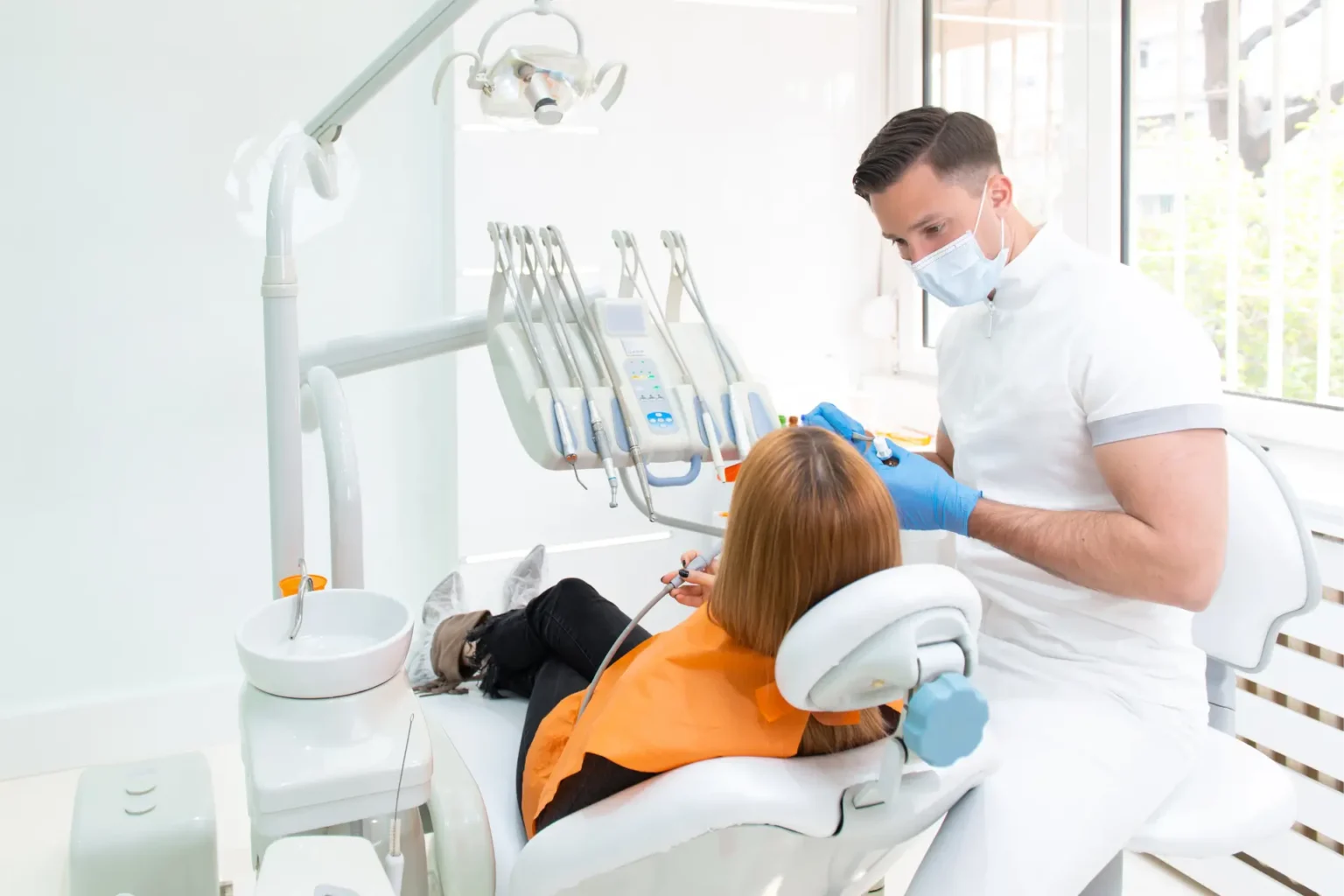
A dental infection can move from a nuisance to a serious medical problem faster than most people expect. What starts as throbbing pressure around one tooth can turn into facial swelling, a bad taste in the mouth, pain that keeps you awake, and in some cases trouble opening the jaw or swallowing. When that shift happens, the goal is no longer just comfort. The goal is immediate infection control.
That is where an emergency dentist Plano, TX patients can reach quickly becomes essential. Timing matters. The right treatment in the first hours or first day often means the difference between a straightforward procedure and a much more difficult recovery. People often assume antibiotics alone will fix the issue. Sometimes they help, but an infected tooth or abscess usually needs the source of the infection physically treated, drained, or removed. If the pressure stays trapped, the infection often keeps smoldering even when symptoms temporarily ease.
Anyone who has dealt with a true dental infection knows it has a distinct character. The pain is often deep, hot, and persistent. It may pulse with your heartbeat. Biting becomes difficult. Warm drinks can feel awful. Lying down at night can make everything worse because the pressure seems to build. I have seen people try clove oil, saltwater rinses, leftover antibiotics, and over the counter pain relievers for days, only to arrive with a swollen face and fever. By that point, the treatment is usually more urgent, and sometimes more invasive, than it would have been 48 hours earlier.
Why infection control is the priority, not just pain relief
Pain grabs attention first, but infection is the true issue. A toothache from a cavity can certainly hurt, yet once bacteria reach the nerve or spread into the tissues around the tooth, the body reacts with inflammation and pressure. In an abscess, pus forms in a confined space. That pressure creates severe pain, but the infection itself can also spread into the jaw, gums, cheek, and deeper facial spaces.
Dentists treating emergencies focus on a few immediate questions. Is the infection localized or spreading? Is there swelling? Is the airway affected? Is the patient running a fever, feeling weak, or having trouble swallowing? Is the source a cracked tooth, failed root canal, deep decay, or gum disease? Each answer affects the next step.
Immediate infection control often involves one or more of the following: opening the tooth to release pressure, draining an abscess, prescribing antibiotics when clinically indicated, performing root canal therapy, or removing a tooth that cannot be saved. That decision is based on examination, symptoms, and dental imaging. It is rarely one size fits all.
This is also why waiting can be risky. A patient may say, “The pain stopped, so I thought it was getting better.” Sometimes the nerve has died and the pressure changed, but the infection remains active. Relief without treatment can be misleading.
The signs that call for same day dental care
Not every toothache is an infection, but certain symptoms deserve prompt evaluation. If you are searching for an emergency dentist Plano, TX because something feels wrong right now, these are the signs that generally should not wait.
- Swelling in the gums, face, or jaw, especially if it appears suddenly or is getting larger.
- Severe, throbbing tooth pain that does not settle with standard pain relievers.
- Fever, foul taste, foul odor, or visible pus near a tooth or gumline.
- Pain when biting, sensitivity to heat, or a tooth that feels raised or loose.
- Difficulty swallowing, opening the mouth fully, or breathing normally, which may require urgent medical evaluation beyond the dental office.
That fifth point deserves emphasis. A spreading dental infection can become a medical emergency. If swelling is significant, especially under the jaw or affecting breathing or swallowing, an emergency room may be the safest first stop. A dentist and physician often end up working together in those cases.
What an emergency dental visit usually looks like
A proper emergency exam is not just a quick glance and a prescription pad. The visit typically starts with a history of the pain, when it began, whether it wakes you up, whether it worsens with hot or cold, and whether there is swelling or drainage. A clinical exam follows. The dentist checks the tooth, surrounding gums, bite, and nearby tissues. X rays help reveal the source, although not every infection shows up the same way, especially early on.
One of the most important parts of the visit is determining whether the tooth is restorable. If the infection comes from decay that has reached the pulp but enough healthy tooth structure remains, root canal treatment may be the best route. If the tooth is broken below the gumline, split through the root, or too decayed to hold a long term restoration, extraction may be the wiser choice.
Patients are often surprised that the first procedure may be relatively focused. A dentist may open the tooth to reduce pressure and infection, place medication, and then schedule the final restoration after the acute phase settles. In another case, draining an abscess through the gum can bring rapid relief, because reducing pressure changes the pain dramatically. These are practical decisions made in real time, based on what the tissues can tolerate and what gives the patient the safest, most predictable result.
Why antibiotics are not a complete answer
This is one of the most common misunderstandings in emergency dentistry. Antibiotics can be valuable, but Vitality Dental Emergency dentist Plano, TX they are not a substitute for treating the infected source. If a tooth has dead or infected pulp tissue sealed inside the root canal system, the bacteria are in a space with limited blood supply. That means antibiotics alone may not penetrate effectively enough to fully resolve the problem. The pressure source remains.
You can think of it like this: if infection is trapped inside the tooth or gum tissue, the body needs help removing the source. That may mean drainage, root canal therapy, extraction, or deep cleaning if the infection is gum related. Antibiotics support the body when swelling, fever, tissue spread, or systemic signs are present, but they rarely finish the job by themselves.
There is another reason dentists avoid prescribing antibiotics casually. Overuse contributes to resistance and can expose patients to side effects like stomach upset, yeast infections, allergic reactions, or serious intestinal complications. Good emergency care balances speed with judgment. The right medication for the right case matters.
The most common causes of urgent dental infections
Deep cavities are probably the cause patients recognize most easily. A small area of decay may be painless for months, then suddenly turn into a large infection once bacteria reach the pulp. Fractured teeth are another major cause. Sometimes the tooth cracks after chewing ice, biting a hard seed, or grinding for years. The crack opens a path for bacteria.
Failed older dental work also plays a role. A crown can look fine on the surface while decay develops underneath. A root canal done many years ago can sometimes reinfect if the seal breaks down or a hidden canal was never fully treated. Wisdom teeth can trap bacteria under gum tissue, especially when partially erupted. Gum disease can produce abscesses around the tooth rather than inside it. The treatment in those cases is different, which is why diagnosis comes first.
I have also seen infections arise in ways patients did not expect. One patient ignored a chipped molar because it did not hurt initially. Three months later, the whole side of the face was swollen before breakfast. Another kept a temporary filling far longer than intended because work and travel kept getting in the way. Temporary materials are exactly that, temporary. When they fail, bacteria move in quickly.
What a dentist can do immediately to control the infection
Patients usually want to know what can actually be done on the same day. The answer depends on the source, but several interventions can provide meaningful infection control very quickly.
A dentist may numb the area and access the inside of the tooth to release pressure from infected pulp tissue. If there is a fluctuant swelling in the gum, drainage may be possible through a small opening. If the tooth cannot be saved, extraction can remove the source in one visit, assuming the patient’s health and the anatomy make same day treatment appropriate. If the infection is gum related, the area may need irrigation and cleaning below the gumline. Antibiotics may be prescribed when swelling, spread, or systemic symptoms justify them.
Sometimes the most important thing done that day is triage with precision. Not every patient is best served by having everything completed in one long appointment. A badly swollen area may be too acidic for anesthetic to work perfectly. A patient with severe trismus, meaning difficulty opening the mouth, may need pain and infection brought under better control before definitive treatment. The best emergency care is practical, not heroic for its own sake.
What to do while you are trying to get seen
Home care is not a cure, but it can help you manage the situation responsibly while you arrange treatment. Keep the focus on reducing irritation and watching for signs of spread.
- Rinse gently with warm salt water several times a day if it feels soothing.
- Use over the counter pain medication only as directed on the label, unless your physician has told you to avoid it.
- Sleep with your head elevated if lying flat makes the throbbing worse.
- Avoid placing aspirin directly on the gum, which can burn the tissue.
- Do not use leftover antibiotics or stop a prescribed course early without guidance.
Cold compresses on the outside of the face may help with comfort if there is swelling, though they do not treat the infection itself. Try chewing on the opposite side and avoid very hot drinks if heat triggers pain. Most important, do not delay because the symptoms come and go. Dental infections often fluctuate before they worsen.
Root canal or extraction, how the decision gets made
This question comes up in almost every emergency infection visit. Patients want certainty, but the answer depends on structure, prognosis, and long term function. Saving a natural tooth is often desirable, especially if enough healthy material remains and the surrounding bone support is sound. A root canal followed by a proper crown can serve well for many years.
That said, not every infected tooth is worth saving. A tooth with extensive fracture, advanced bone loss, severe recurrent decay below the gumline, or repeated prior failure may be a poor candidate. Keeping a compromised tooth can lead to repeat emergencies, more expense, and more lost time from work. Extraction can sometimes be the cleaner, safer option, particularly for back teeth with limited strategic value or for patients already planning implants or other restorative work.
A good emergency dentist does not sell one path for every case. They explain what can be saved, what probably should not be saved, and what each choice means in cost, healing time, and future treatment. That is the kind of conversation that helps patients make calm decisions even when they are in pain.
How fast can a dental infection spread?
There is no single timeline. Some infections stay localized for a while and create repeated flare ups before definitive treatment. Others escalate in a day or two. The difference depends on the tooth, the bacteria involved, the person’s immune response, and whether there is a clear path for drainage. Ironically, an infection that can drain may hurt less than one that is trapped, but it still requires treatment.
People with diabetes, immune suppression, recent chemotherapy, or certain chronic illnesses may have a harder time containing oral infections. Smokers can also have more complicated healing patterns. Even in otherwise healthy adults, facial spaces can become involved, and that is when the problem moves beyond routine dentistry.
This is why emergency timing matters in practical terms. If you call in the morning with pain and swelling, being seen that day can change the whole course of the week. It can spare you a sleepless night, prevent a larger abscess, and reduce the odds of ending up in an urgent care center or emergency room later.
Why local access matters in Plano
When someone is searching for an emergency dentist Plano, TX, they are usually not comparison shopping in the normal sense. They are trying to solve a problem that is active now. Convenience becomes clinical value in that moment. A nearby office with same day availability means less time driving while in pain, less delay before diagnosis, and a better chance of handling the issue before swelling increases.
Plano also has the typical realities of a busy suburban area. People are balancing commutes, school pickup, client meetings, and packed calendars. Dental infections do not care. They flare before flights, during holiday weekends, and in the middle of work presentations. A local emergency dentist who can fit in urgent cases, take diagnostic images quickly, and start treatment immediately is not just convenient. It is often the reason the problem stays manageable.
The logistics after treatment matter too. If you need a follow up visit for a root canal completion, crown, extraction check, or implant consultation, staying local makes that much easier. Infection control is the first step, not always the final one.
Children, older adults, and special considerations
Dental infections do not present the same way in every age group. In children, swelling can progress quickly, and communication about pain may be less precise. A child may simply stop eating on one side, wake up crying at night, or develop visible facial swelling by afternoon. Pediatric dental emergencies should move fast, especially if fever is present.
Older adults may minimize symptoms because they have “dealt with worse,” or they may assume pain around a crown is just temporary irritation. They are also more likely to take medications that affect healing or interact with antibiotics. Dry mouth, common with many prescriptions, raises cavity risk and can make recurrent decay under existing dental work more likely.
Patients with dentures, implants, or extensive bridgework present another layer of complexity. Pain may not come from a natural tooth at all. It could be peri implant inflammation, food impaction under a bridge, or trauma from a failing restoration. That is another reason self diagnosis often misses the mark.
What people get wrong about emergency dental pain
One common mistake is assuming intensity equals severity. Some dangerous infections begin with moderate pain and sudden swelling, while some agonizing toothaches are severe but still localized. Another mistake is waiting for visible swelling before acting. By the time you can see facial asymmetry in the mirror, the infection may already be well established.
A third mistake is relying on painkillers to tell the story. Alternating common over the counter medications may reduce symptoms enough to get through the day, but that does not mean the infection is under control. It only means the inflammatory response has been muted temporarily.
People also underestimate how often a dentist can provide real relief on the first visit. I have heard many patients say they delayed because they assumed the office would “just give antibiotics and tell me to come back.” Good emergency care is much more active than that. Diagnosis, drainage, pulpal access, extraction, bite adjustment, temporary stabilization, and prescription management can all happen very quickly when the office is set up for urgent cases.
The recovery period after emergency treatment
Most patients feel some relief within hours after the pressure source is treated, though tenderness can continue for several days. If drainage was established or the tooth was opened, that reduction in pressure often produces the biggest shift in comfort. Swelling may take longer to settle. It usually improves gradually, not instantly.
The first 24 to 72 hours matter. Patients should follow medication instructions closely, keep the area clean, and watch for worsening pain, expanding swelling, fever, or new difficulty swallowing. If a dentist places a temporary restoration or starts root canal therapy, follow through on the next appointment. Temporary treatment is often exactly that, temporary. Leaving it unfinished invites the same problem back.
Extraction sites require their own caution. People sometimes assume that once the tooth is gone, the infection is gone too. Often that is largely true, but the site still needs proper aftercare and sometimes ongoing medication. Dry socket is not the same as infection, but it can create significant pain a few days later, so follow up instructions matter.
Choosing the right emergency dental response
When infection is the issue, speed and judgment carry equal weight. The right office will not just squeeze you in and move fast. It will identify whether the problem can be managed in house, whether the tooth is savable, whether antibiotics are necessary, and whether there are warning signs that call for medical escalation.
That matters because dental emergencies are not all alike. A lost filling before a wedding, a broken front tooth after a sports injury, and a spreading molar abscess with fever may all get labeled “emergency,” but the treatment priorities are entirely different. Infection control demands a clinician who can sort urgency from inconvenience and act accordingly.
If pain is escalating, the gum is swollen, the face looks puffy, or you have a fever with a bad tooth, the most useful step is not another internet search about home remedies. It is getting examined. An experienced emergency dentist Plano, TX patients can reach promptly will focus first on controlling the source, reducing the risk of spread, and giving you a realistic plan for what happens next. That is how dental emergencies stop being open ended crises and become solvable problems.
Vitality Dental
1220 Coit Rd # 106, Plano, TX 75075, United States
+1 972-645-4100
FAQ About Emergency dentist Plano, TX
Will the ER do anything for dental pain?
An emergency department can assess urgent symptoms and provide medical stabilization. Definitive treatment of the tooth usually requires a dentist. Seek emergency medical care for breathing or swallowing difficulty, uncontrolled bleeding, or serious facial injury.
What to do if I have a dental emergency in the middle of the night?
Contact a dentist or after-hours dental service promptly for guidance. If a permanent tooth is knocked out, keep it moist in milk while seeking immediate care. If symptoms suggest a medical emergency, go to an emergency department.
What qualifies as a dental emergency?
A knocked-out permanent tooth, severe or persistent tooth pain, a significant dental injury, or swelling may require urgent dental assessment. Call a dentist to describe the symptoms and determine timing. Uncontrolled bleeding or difficulty breathing or swallowing requires emergency medical care.