Column · @codyoder309
Emergency Dentist Plano, TX for Sudden Sensitivity and Sharp Pain

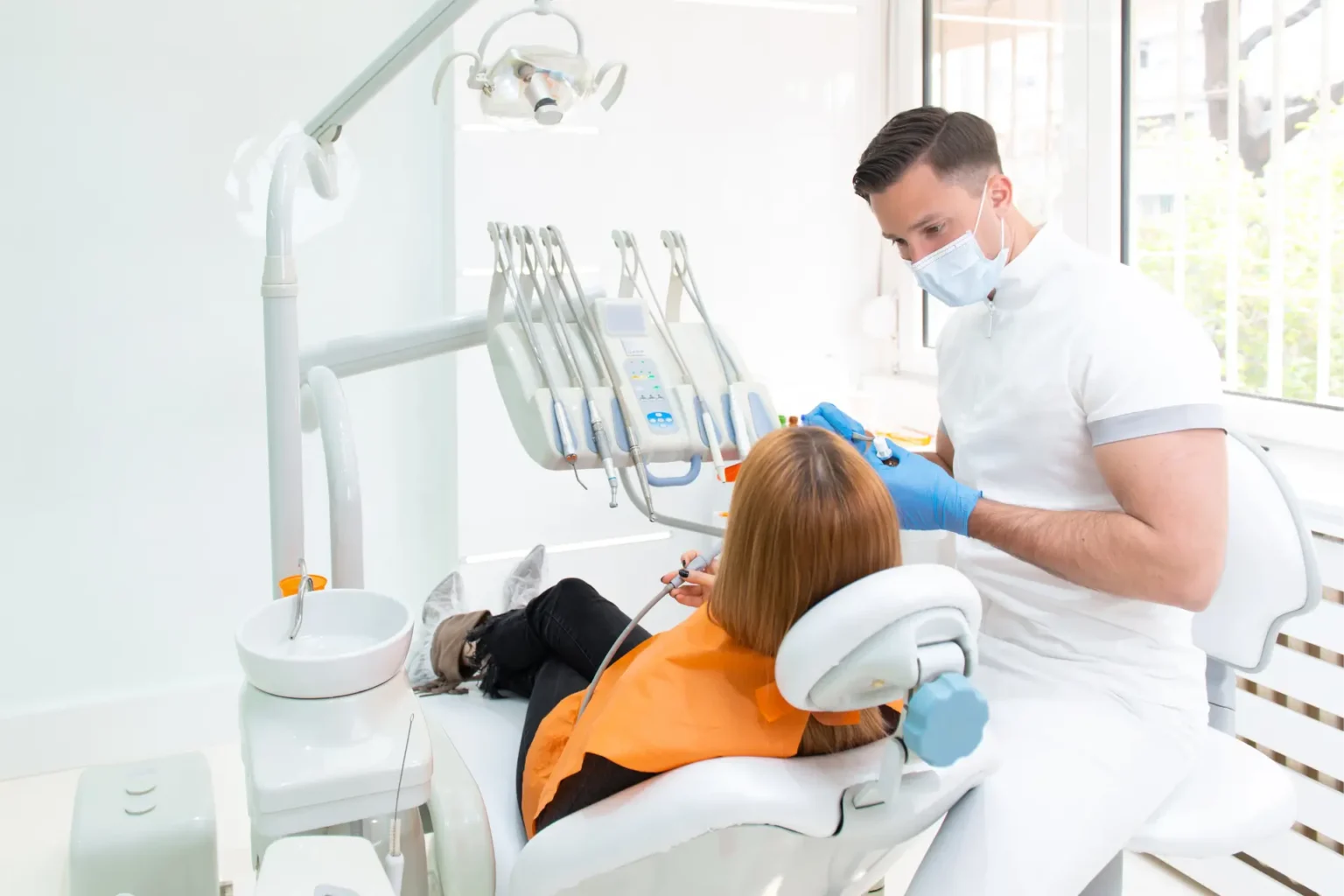
A cold sip of water should not stop you mid-sentence. Biting into toast should not send a streak of pain through one side of your mouth. Yet that is exactly how many dental emergencies begin, not with dramatic swelling or visible trauma, but with a jolt of sudden sensitivity and a sharp, unmistakable pain that feels out of proportion to what caused it.
In practice, these symptoms often arrive without much warning. Someone goes to bed with a tooth that felt "a little off" and wakes up unable to drink coffee. Another person notices sensitivity for a week, assumes it is just whitening toothpaste or sinus pressure, then experiences a stabbing pain when chewing lunch. By the time people start searching for an emergency dentist Plano, TX, they are usually past the stage of watching and waiting. They want to know whether the problem is serious, what they can do right now, and how fast they need treatment.
The short answer is this: sudden sensitivity and sharp pain deserve prompt attention because they often signal an exposed nerve, a crack, advancing decay, an infected pulp, a damaged filling, gum recession, or pressure from clenching. Some of those problems are relatively simple to fix if caught early. The same problems can become much more complicated, painful, and expensive if ignored for a few days too long.
Why sharp pain rarely stays "just sensitivity"
People often use the word sensitivity to describe several very different sensations. Mild sensitivity may feel brief and predictable, such as a quick zing from ice cream that fades within seconds. Sharp pain is different. It tends to be more intense, more localized, and easier to trigger with chewing, temperature, sweets, or even a breath of cold air. It can also linger after the trigger is gone.
That distinction matters because teeth are layered structures. Enamel is the hard outer shell. Under that sits dentin, which contains tiny tubules that communicate with the tooth's inner nerve tissue. When enamel wears thin, a filling leaks, a crack forms, or decay penetrates deeper, those pathways become exposed. The result can be sudden sensitivity at first, then escalating pain when the pulp becomes inflamed.
This is one reason dental pain can seem inconsistent. A person may have no pain in the morning, sharp pain with lunch, dull pressure in the afternoon, and throbbing that night. The source has not disappeared and returned. The inflamed tissues are simply reacting to changing temperatures, bite forces, sugar exposure, and fluid movement inside the tooth.
A cracked tooth is a classic example. Early on, the pain may only appear when releasing pressure after biting. Many patients describe it as "lightning" or "a needle" in one exact spot. If that crack deepens, symptoms often broaden into hot and cold sensitivity, aching, and pain that wakes them at night. What could have been a crown may turn into root canal therapy or extraction if the fracture reaches too far below the gumline.
Common causes behind sudden sensitivity and sharp dental pain
There is no single explanation for these symptoms, which is why a proper exam matters. Several problems can create very similar pain patterns.
Tooth decay remains one of the most common culprits. Cavities do not always start with visible holes. Decay can form between teeth, under older fillings, or along the gumline where it is hard to see. Once it reaches dentin, cold sensitivity usually increases. When it approaches the pulp, the pain can become sharp, spontaneous, or throbbing.
Fractured teeth are another frequent source of emergency visits. Not all cracks come from obvious accidents. In Plano, many adults crack teeth from heavy clenching, grinding, chewing ice, popcorn kernels, or simply biting down on a hard seed in bread. Teeth with large old fillings are especially vulnerable because less natural tooth structure remains to absorb force.
Loose, broken, or failing restorations can expose sensitive surfaces. A crown that no longer seals well, a chipped filling, or cement that has washed out can leave dentin uncovered. Patients often say the tooth was fine for years, then suddenly became reactive over a weekend. That timing is typical when a restoration fails.
Gum recession can also create sudden pain, especially if root surfaces are exposed. Root dentin is softer than enamel and much more responsive to cold and touch. While recession itself may not always be an emergency, sharp pain in a receded area can indicate abrasion, root decay, or a notch near the gumline that needs treatment.
Infections inside the tooth can begin with sensitivity and progress to severe pain. A tooth may first become sensitive to cold, then to heat, then start aching on its own. Once pressure builds, pain may radiate to the ear, jaw, or opposite arch, which makes self-diagnosis unreliable. By the time swelling appears, the infection is already well advanced.
Sinus pressure, especially in the upper back teeth, can mimic tooth pain. So can clenching-related ligament inflammation around a tooth. These situations require judgment because they may feel urgent but need different treatment. That is another reason an exam with an emergency dentist in Plano, TX is more useful than guessing based on symptoms alone.
Signs the problem needs same-day or next-day care
Not every twinge requires an immediate appointment, but certain symptoms should move fast. Sharp pain that makes it hard to chew is one. Lingering pain after cold or heat is another. Night pain, facial swelling, a bad taste in the mouth, fever, a cracked tooth, or pain after trauma all deserve prompt evaluation.
There is also the practical issue of how dental problems evolve. Teeth do not heal the way skin does. A cracked cusp does not reattach. A cavity does not reverse once it has broken through the tooth enough to cause pain. An inflamed pulp may settle briefly, but repeated flare-ups usually mean the underlying disease is progressing.
Many people delay because the pain comes and goes. In reality, intermittent pain can be worse than constant soreness from a diagnostic standpoint because it encourages people to postpone care. If the tooth hurts enough that you are changing how you eat, avoiding one side, taking repeated pain medication, or losing sleep, that is a dental emergency in everyday terms, even if the tooth looks normal in the mirror.
What an emergency dentist looks for during the visit
A good emergency evaluation is focused but thorough. The goal is not only to stop the pain, but to identify the exact tooth and the exact reason it hurts. That sounds simple. It often is not.
Pain can refer along nerve pathways. An upper molar can feel like lower jaw pain. A cracked premolar can create pain that seems diffuse and hard to point to. For that reason, the exam usually combines several steps: visual inspection, percussion testing, bite testing, cold testing, checking the gums, and appropriate radiographs. Sometimes the problem is obvious, such as a broken filling. Sometimes the only clue is how one tooth reacts differently than the others.
Dentists also pay close attention to timing. Does cold cause pain that stops immediately, or lingers 20 to 30 seconds? Does biting down hurt, or does releasing the bite hurt more? Does heat trigger throbbing? Did symptoms begin after a recent filling, whitening treatment, orthodontic movement, or sinus infection? These details help separate reversible irritation from irreversible pulp damage, crack syndrome, occlusal trauma, and non-dental causes.
If you are searching for an emergency dentist Plano, TX, expect the first priority to be pain control and stabilization. Definitive treatment may happen the same day, depending on the diagnosis. In other cases, the dentist may place a sedative filling, adjust the bite, re-cement a crown, prescribe antibiotics if truly indicated, or refer for root canal treatment or extraction. The right choice depends on whether the tooth is restorable, how deep the damage runs, and whether infection has spread.
What you can do before you get to the office
The hours between the onset of pain and the appointment can feel long, especially at night. A few simple measures can reduce irritation without making the situation worse.
- Rinse gently with warm water and keep the area clean.
- Avoid very cold, very hot, and sugary foods or drinks.
- Chew on the opposite side if biting triggers pain.
- Use over-the-counter pain relief only as directed on the label, unless your physician has told you otherwise.
- If a crown or piece of tooth has come off, bring it to the appointment if you can find it.
A few things are worth avoiding. Do not place aspirin directly on the gum. It can burn the tissue and does not solve the source of pain. Do not keep testing the tooth to "see if it still hurts." Repeated cold exposure or chewing can inflame it further. And do not start leftover antibiotics from a prior illness. They may be the wrong drug, the wrong dose, or unnecessary altogether.
Why "I can wait a week" often backfires
From a distance, one week does not sound like much. In dentistry, it can be the difference between a straightforward filling and nerve involvement, or between saving a cracked tooth and losing it.
Take a common scenario. A patient feels sharp pain with cold on a lower molar but no spontaneous aching. The exam shows decay under an older filling that has reached dentin but not irreversibly damaged the pulp. That tooth may be saved with removal of decay and a new restoration, perhaps a crown depending on the remaining structure. Wait until the weekend after several more cycles of temperature shock and chewing, and the same tooth may begin throbbing on its own. At that point, the pulp may be beyond recovery, making root canal therapy necessary before it can be restored.
The same pattern appears with broken cusps. If treated quickly, many teeth can be protected with a crown before the fracture line extends. If ignored, the break can travel deeper under stress. Once it involves the root or splits vertically, the prognosis drops sharply.
There is also the human cost. Dental pain disrupts sleep, concentration, appetite, and mood faster than many other conditions. People become irritable, eat softer foods that are often less nutritious, and unconsciously clench more because they are stressed, which can worsen the cycle. Prompt care is not just about the tooth. It is about getting the person functional again.
What treatment might look like
The treatment plan depends on the diagnosis, not just the symptom. Two patients can both report sharp sensitivity, yet need completely different care.
A small area of exposed root may respond well to desensitizing treatment, bonding, fluoride varnish, and changes in Emergency dentist Plano, TX brushing technique. A cavity may need a filling if caught early. A tooth with a deep crack and a healthy nerve may do best with a crown to brace it. A tooth with irreversible pulp inflammation typically needs root canal treatment to remove the diseased nerve tissue, followed by a restoration that protects the remaining tooth structure. A severely fractured or non-restorable tooth may need extraction and a discussion about replacement options.
Bite adjustment can matter more than patients expect. I have seen teeth become exquisitely tender not because they had massive decay, but because a new filling or crown was landing high and concentrating force in one spot. A minor adjustment relieved the pain within days. That said, bite issues can mimic serious problems and serious problems can masquerade as bite issues, so this is not something to self-diagnose.
Antibiotics have a role, but not for every painful tooth. If there is no swelling, spreading infection, fever, or clear evidence of bacterial involvement beyond the tooth itself, antibiotics may do very little. They do not remove decay, seal a crack, or calm a dying pulp permanently. The most effective emergency care addresses the source directly.
How to describe the pain so the appointment moves faster
Patients often worry that they will not explain it correctly. You do not need technical language. A few specific details are more helpful than a long story.
Try to note when the pain started, what triggers it, how long it lasts, and whether it is getting worse. If one side hurts when chewing, mention whether the pain hits on biting down or on release. If cold sets it off, notice whether the feeling vanishes right away or lingers. If you have swelling, fever, a bad taste, recent dental work, or a history of grinding, say so early in the visit.
One practical tip that helps in real life: if the pain is intermittent and you are worried you will forget the pattern, jot a few notes in your phone before the appointment. That kind of detail often saves time and narrows the diagnosis faster than people realize.
Sharp pain in children, teens, and older adults
Age changes the likely causes, but not the need for timely care.
In children and teens, sharp pain can come from deep cavities, erupting molars with trapped inflammation, sports injuries, or broken fillings in baby teeth that still matter for spacing and chewing. Young patients may not describe symptoms clearly, so adults should watch for refusing cold foods, chewing on one side, waking at night, or sudden irritability around meals.
In older adults, recession, root decay, worn enamel, cracked teeth, and aging restorations become more common. Dry mouth from medications can increase cavity risk dramatically, especially along the roots. This is one reason a new episode of sensitivity in an older patient should not be brushed off as "just getting older." Teeth often give a warning before a larger failure.
Finding the right emergency dentist in Plano, TX
When pain is sharp and immediate, convenience matters, but it should not be the only criterion. Look for a practice that makes room for urgent cases, communicates clearly, and can perform a focused diagnostic workup rather than simply prescribing medication and delaying definitive care.
It helps if the office can handle a broad range of emergency needs, including digital imaging, restorations, crown issues, and coordination for endodontic or surgical treatment when necessary. Same-day care is valuable, but so is sound judgment. Not every painful tooth should be drilled immediately, and not every damaged tooth should be extracted. The best emergency care balances speed with accuracy.
If you call, be ready to describe the type of pain and whether you have swelling, trauma, or trouble sleeping. Practices triage based on risk as well as schedule. Saying "my tooth is sensitive" is less useful than saying "sharp pain to cold started yesterday, now I cannot chew on the right side and the pain lingers for 30 seconds."
Prevention after the emergency passes
Once the immediate pain is under control, the next step is reducing the odds of a repeat visit for the same reason. That usually means more than brushing harder.
- Keep up with exams and X-rays at the interval your dentist recommends, especially if you have large fillings, recession, or a history of cracks.
- Wear a night guard if you clench or grind.
- Address lingering bite issues, broken restorations, and food-trapping areas before they escalate.
- Use a soft-bristled brush and a non-abrasive toothpaste if exposed roots or worn enamel are part of the problem.
- Do not ignore a tooth that feels "different," even if the pain fades.
Small changes catch big problems early. That is especially true for patients who have already had one emergency related to sudden sensitivity and sharp pain. Teeth that have been restored, cracked, root treated, or heavily worn need periodic monitoring. The goal is not perfection. The goal is fewer surprises.
When pain is your tooth's last polite warning
Sharp dental pain has a way of cutting through denial. People live with a lot of low-grade discomfort, but a tooth that stings with every sip or shoots pain when you bite is hard to negotiate with. That urgency is useful. It pushes action before the problem becomes larger than it needs to be.
If you are dealing with sudden sensitivity that has turned into sharp pain, seeing an emergency dentist Plano, TX is not an overreaction. It is the sensible move. Some causes are minor and quickly fixed. Others are time-sensitive and far easier to treat before swelling, infection, or structural damage advance. The only way to know which situation you are in is to have the tooth examined while the clues are still fresh.
When a tooth starts speaking up that clearly, it is usually best to listen.
Vitality Dental
1220 Coit Rd # 106, Plano, TX 75075, United States
+1 972-645-4100
FAQ About Emergency dentist Plano, TX
Will the ER do anything for dental pain?
An emergency department can assess urgent symptoms and provide medical stabilization. Definitive treatment of the tooth usually requires a dentist. Seek emergency medical care for breathing or swallowing difficulty, uncontrolled bleeding, or serious facial injury.
What to do if I have a dental emergency in the middle of the night?
Contact a dentist or after-hours dental service promptly for guidance. If a permanent tooth is knocked out, keep it moist in milk while seeking immediate care. If symptoms suggest a medical emergency, go to an emergency department.
What qualifies as a dental emergency?
A knocked-out permanent tooth, severe or persistent tooth pain, a significant dental injury, or swelling may require urgent dental assessment. Call a dentist to describe the symptoms and determine timing. Uncontrolled bleeding or difficulty breathing or swallowing requires emergency medical care.